Spoil does not become valuable because it is recoverable – but because someone moves it. The complete chain is what ACRP brings.
Removal of spoil on site. Sampled and classified.
Transport by truck and rail, depending on the distance to the port.
Handling and interim storage using existing port infrastructure.
Shipment to the contractually secured offtaker.
The heaps lie at varying distances from the port. A single transport mode would be too expensive for some and too slow for others. So we combine – depending on the site.
For sites close to the port, direct road transport is the fastest and most economical route. No transhipment, no waiting times.
For more distant sites, rail is the cheaper and lower-emission solution – with considerably larger volumes per run.
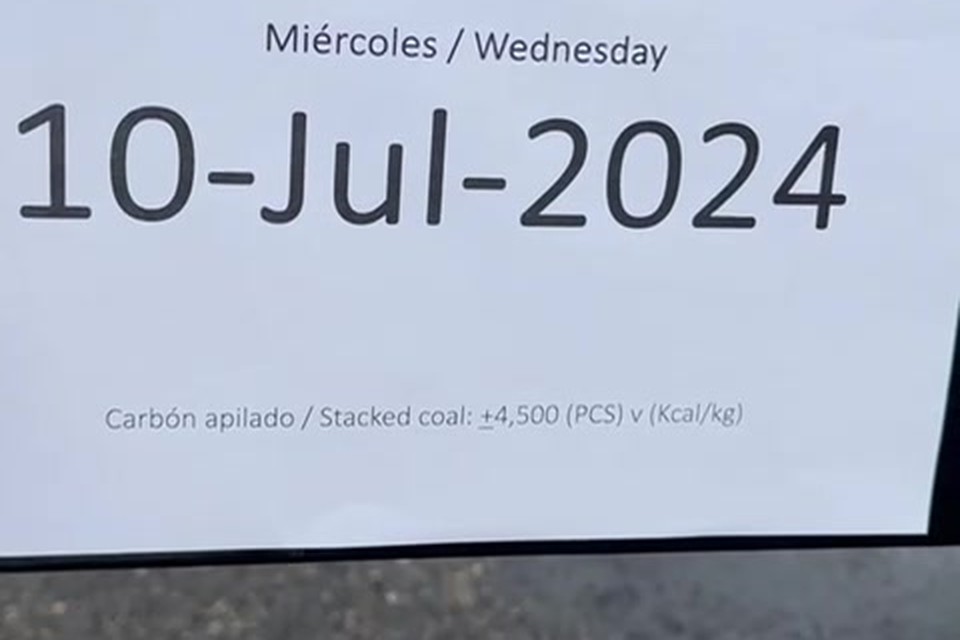
We measure on site and do not estimate. The material is sampled at the respective location – with date, location and sample identification. The analysis shows whether the gross calorific value (GCV) makes energy recovery economically viable.
For an owner this means: there is no assumption about the value of the material – there is a measurement.
Mining has left numerous spoil heaps across northern Spain – of varying size and at varying distances from the port. The following footage is from one of the sites.
Once the spoil has been removed, the land is available again – that is the immediate benefit for the owner.
On request, we also take on the disposal of the non-recoverable share. Scope and terms are agreed case by case.
We deliberately announce nothing here that has not been bindingly agreed.